
Smooth Your Skin: Safe Solutions for Sebaceous Hyperplasia
Have you noticed small bumps on your face that don’t seem to go away no matter what you try? These may be sebaceous hyperplasia. While harmless, sebaceous hyperplasia can affect the texture of your skin and how confident you feel. If you’ve noticed new bumps or aren’t sure what they are, getting a proper diagnosis can give you clarity and peace of mind. Many people assume these lesions are just enlarged pores, milia, or breakouts, but understanding what’s happening in the skin is the first step to addressing them effectively.
The good news is that sebaceous hyperplasia can be successfully treated. Reducing or removing these bumps can help smooth your complexion, refine your skin’s appearance, and keep your skin looking claer and healthy. With the right treatment plan for sebaceous hyperplasia, you can not only improve the look of the lesions but also reduce the likelihood of new bumps forming. Want to learn what causes sebaceous hyperplasia and how we can help manage it with safe, targeted treatment options? Keep reading.
Noticed a small bump on your face? We can help you find out what it is and treat it safely.
WhAT ARE SEBACEOUS HYPERPLASIA?
Sebaceous Hyperplasia is a common and harmless skin condition where the oil glands in the skin become enlarged.
These glands, found next to hair follicles, normally produce sebum (an oily substance that helps keep the skin hydrated and flexible). When the glands produce more sebum than the skin needs, or when they become clogged, they can expand and form small bumps on the skin.
Sebaceous hyperplasia can appear anywhere on the body but is most common on the face and becomes more common with age.
While these bumps are not harmful, some people choose to have them assessed or treated for aesthetic reasons or peace of mind. Sebaceous hyperplasia can sometimes be confused with other skin conditions, including basal cell carcinoma, so regular skin checks and professional diagnosis are important.
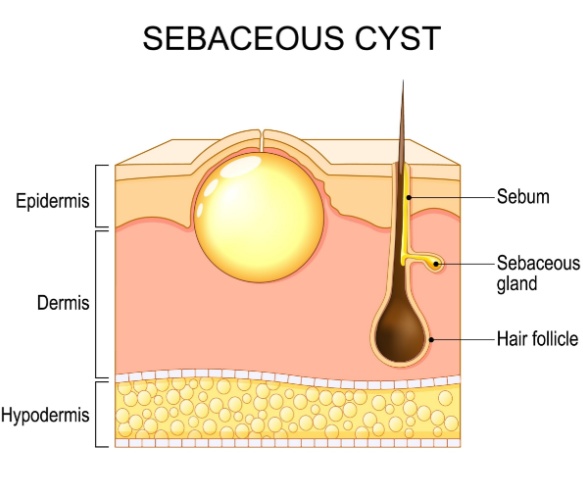
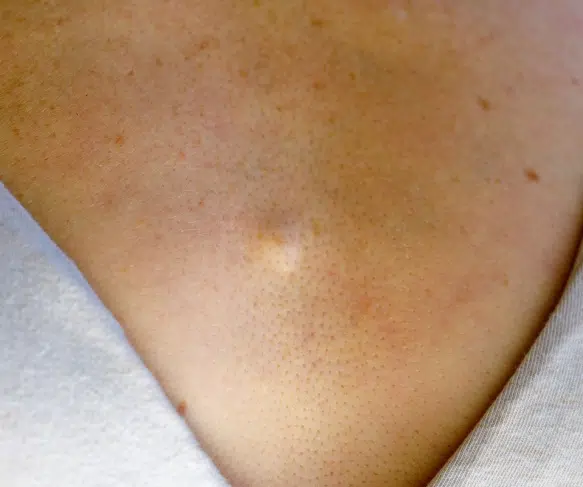
SYMPTOMS & CAUSES of Sebaceous Hyperplasia
Sebaceous hyperplasia appears as small white or yellow bumps on the face. They are usually 2-6 millimetres. They can be skin-coloured, yellow, or light-brown and often have a slight dip in the centre.
These bumps are harmless but noticeable and may be mistaken for other conditions.
Sebaceous hyperplasia develops when the oil glands become enlarged. Hormonal changes, ageing, genetics, stress, and increased oil production can all play a role. For example, changes in hormone levels can slow the turnover of skin cells within the gland, causing a buildup that leads to small bumps on the face. It can occur anywhere on the body but is most common on the face, including the cheeks, forehead, chin, nose, and neck.
Wondering what that bump is? Book a skin check and discover your treatment options.
Noticed a small bump on your face? We can help you find out what it is and treat it safely.

Diagnosis of Sebaceous Hyperplasia
A trained healthcare professional can diagnose sebaceous hyperplasia with a clinical skin examination. In many cases, a dermatoscope may be used to assess the bumps closely and distinguish them from other skin conditions.
Because sebaceous hyperplasia can resemble other lesions, including basal call carcinoma, a professional assessment is crucial to confirm the diagnosis and guide appropriate management. If you notice new or changing bumps, consider booking a skin check for reassurance and clarity.
Those facial bumps could be sebaceous hyperplasia. Our experts can help reduce or remove them safely.
TREATMENT OPTIONS
Sebaceous Hyperplasia
Smooth, clear skin starts here.
Sebaceous hyperplasia does not require treatment, as the bumps are harmless. However, some people choose to manage or remove them if they are irritated, noticeable, or affecting confidence. Our experienced team can recommend safe treatment options based on your skin and goals. It is important not to attempt removal at home.
- Electrocautery: An electrically charged needle heats and removes bumps.
- Laser Therapy: Reduces bumps and releases trapped oil.
- Cryotherapy: Freezes lesions so they dry and fall off.
- Curettage and Shaving: Scrapes or shaves bumps from the skin to smooth the surface.
- Photodynamic Therapy (PDT): A light-sensitive solutions is applied to the skin and lights with specific wavelengths target lesions.
- Excision: Surgically removes bumps.
- Medications: Helps regulate oil production and prevent new bumps.
These treatments aim to improve skin appearance by reducing the enlarged glands. While treatment can remove individual lesions, new bumps may still develop over time, and ongoing skin monitoring is recommended.
All treatments are performed by trained professionals to ensure safety and effective results. Your treatment and procedures will be formulised after your initial consultation.
Treatment of Sebaceous Hyperplasia
at Queensland Skin and Laser
Gentle, safe, and effective skin solutions.
Consultation & Diagnosis
Our experienced team begins with a thorough assessment of your skin and medical history. We examine bumps closely to confirm whether they are sebaceous hyperplasia or another condition. This ensures you receive the most appropriate treatment. Then we discuss the best treatment options.
Treatment
We offer safe and effective procedures to reduce or remove bumps, with our top treatments including:
- Laser Therapy – Targets the top layer of skin and releases trapped oil.
- Electrocautery – Uses an electrically charged needle to remove individual bumps.
- Photodynamic Therapy (PDT) – A photosensitising solution is applied to the affected area and activated with a specific light source, selectively targeting and reducing enlarged sebaceous glands.
Your clinician will recommend the best option based on your skin type and goals to treat facial bumps.
Aftercare & Results
We provide clear aftercare instructions to support healing and reduce infection risk. Most bumps improve quickly, leaving smoother, clearer skin. Results vary depending on the procedure and the number of bumps treated. Finally, support your results with prevention.
Prevention
Sebaceous hyperplasia cannot be fully prevented, but products containing niacinamide, retinol, or salicylic acid may help reduce the chance of new bumps forming.
Next we discuss ongoing care and prevention.
Preventing Sebaceous Hyperplasia
Certain skincare ingredients may reduce the likelihood of new bumps forming:
- Niacinamide (Vitamin B3): Helps control oil production and strengthens the skin’s barrier. Found in moisturisers, serums, and oral supplements.
- Retinol (Vitamin A): Helps prevent clogged oil glands. Available OTC and by prescription in both creams and serums.
- Salicylic Acid: Gently removes dead skin cells and reduces redness or swelling. Found in lotions, gels and cleansers.
Your Guide to managing oily skin - Facial skincare Tips
- Wash Regularly – Morning, night, and after exercise to remove extra oil.
- Be gentle – Mild foaming wash; avoid scrubbing.
- Exfoliate a few times a week – Removes dead skin cells that trap oil.
- Moisturise with a light, non-greasy moisturiser.
- Remove makeup nightly.
- Avoid heavy ingredients such as cocoa butter, coconut oil, petroleum jelly, and silicone.
- Look for helpful ingredients such as, green tea, niacinamide, L-carnitine, and retinol.
- Hands off your face! Touching spreads oil, dirt, and bacteria.
Bumps, blocked pores, and oil? We've got you covered.
POssible Risks and Side Effects of Treatment
All treatments carry some risk. Understand the benefits and potential side effects before deciding.
Infection: Procedures that remove sebaceous hyperplasia by burning, cutting, or scraping the skin carry a small risk. Even with sterilised tools, bacteria can sometimes enter the area. Contact your healthcare provider if you notice:
- Pain or tenderness
- Persistent pus or oozing
- Foul smell
- Redness, swelling, or increased inflammation
- Fever or feeling unwell
- Worsening appearance
Early recognition supports proper healing.
COST of Sebaceous Hyperplasia treatment
We understand that cost is an important consideration for our patients. At Queensland Skin and Laser, we strive to provide affordable care.
Costs vary depending on the type of treatment, the number sebaceous hyperplasia, and your individual treatment plan. At your consultation, we provide a detailed cost breakdown, so you know exactly what to expect before starting.
Contact us at admin@qldskinandlaser.com for personalised cost information.
Why Choose Queensland Skin AND Laser
for Sebaceous Hyperplasia?
Professional care for your skin, tailored to you.
Choose Queensland Skin and Laser in Brisbane for sebaceous hyperplasia treatment. Our team can accurately diagnose bumps and recommend safe, effective procedures. Treatments are tailored to help you achieve a smoother, clearer complexion.

Expert-Led
Care
Led by Dr. Mark Chernoff, a seasoned physician with expertise in skin cancer detection, general and cosmetic dermatology, and advanced laser therapies, the clinic ensures high standards of care across all treatments.

Advanced
Technology
Queensland Skin and Laser integrates state-of-the-art laser systems, HIFU, RF needling, and photodynamic therapy, offering the latest in skin rejuvenation, tightening, and sun damage treatment.

Patient-Centred,
Boutique Experience
Patients experience a personalised, boutique environment where their concerns are met with unmatched professionalism and dedicated care.

Complimentary Cosmetic
Consultations
Clients receive a free consultation with the clinic’s cosmetic nurses, making expert skin advice accessible without upfront costs.

Flexible Payment
Plans
Offering weekly payment options through Zip Pay, the clinic ensures financial flexibility for both cosmetic and medical treatments.

Trusted Reputation
and Certifications
As a Fellow of the RACGP, an accreditation assessor, and an experienced dermatology professional, Dr. Chernoff and his team are recognised for their commitment to high standards, safety, and patient well-being.
Meet Dr Mark Chernoff
BSC (EXHP), MBBS (MELB), FRACGP, MFIN, CFTP
Dr Mark Chernoff earned a Bachelor of Science in Exercise and Health Physiology, followed by a Bachelor of Medicine and Bachelor of Surgery from the University of Melbourne in 2010. He began his postgraduate career at St. Vincent’s Hospital in Melbourne, specialising in general and plastic surgery.
Dr Chernoff serves as a Visiting Medical Officer in Emergency Medicine and works as a general practitioner in rural NSW. With extensive experience in skin cancer surgery, medical laser treatments and cosmetic medicine, he also contributes to medical education by supervising registrars for the Australian College of Rural and Remote Medicine and the Royal Australian College of General Practitioners.

How schedule a consultation
To book an appointment, click the button above, call 07 3544 6425, or email admin@qldskinandlaser.com.
Find us here:
- Level 2 – 445 Upper Edward St
Spring Hill QLD 4000
Frequently Asked Questions
Sebaceous Hyperplasia
What are these small white bumps on my face?
Small white or yellow bumps are often sebaceous hyperplasia. They can also be milia, acne, or clogged pores. A skin check is the best way to know for sure.
Why do I have sebaceous hyperplasia?
Bumps can form from overactive oil glands, hormones, genetics, or ageing. Most appear on cheeks, nose, forehead, and chin. Book in a complimentary consultation for tailored advice.
Are sebaceous hyperplasia dangerous or cancerous?
Most sebaceous hyperplasia are harmless, but some lesions resemble basal cell carcinoma, so a professional diagnosis is important. Book a free skin check today.
How can I prevent bumps like sebaceous hyperplasia?
You can’t fully prevent sebaceous hyperplasia, but niacinamide, retinol, or salicylic acid may help reduce the chance of new bumps forming.
Can sebaceous hyperplasia be treated and will they come back?
Yes! Treatments for sebaceous hyperplasia include electrocautery, laser therapy, cryotherapy, shaving, PDT, and medications. These procedures are safe when performed by qualified professionals. Individual bumps may be removed, but new ones can appear over time, especially with ageing or persistent oil production.
Any surgical or invasive procedure carries risks. Before proceeding, you should seek a second opinion from an appropriately qualified health practitioner.

If you have additional questions about small facial bumps or Sebaceous Hyperplasia, please complete the form below and we will get back to you shortly.
 Online Marketing For Doctors