
 07 3544 6425

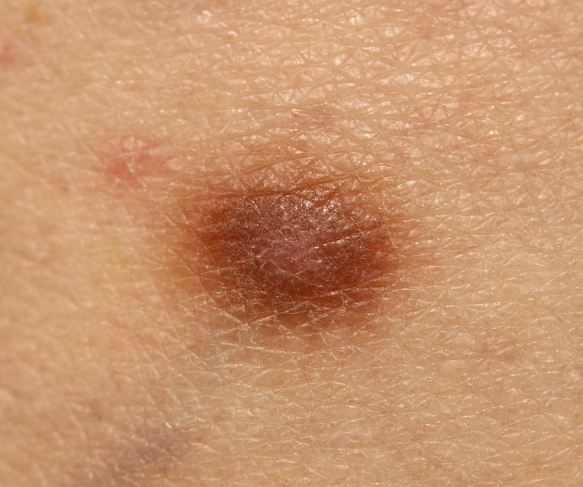
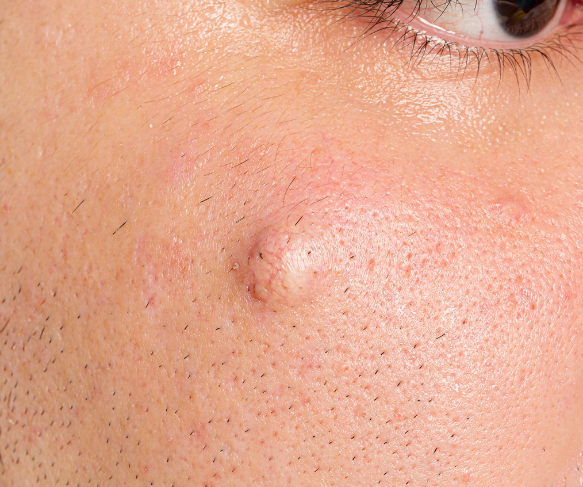
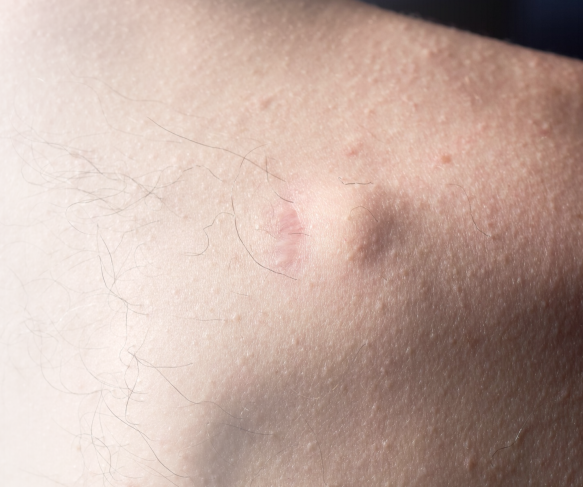


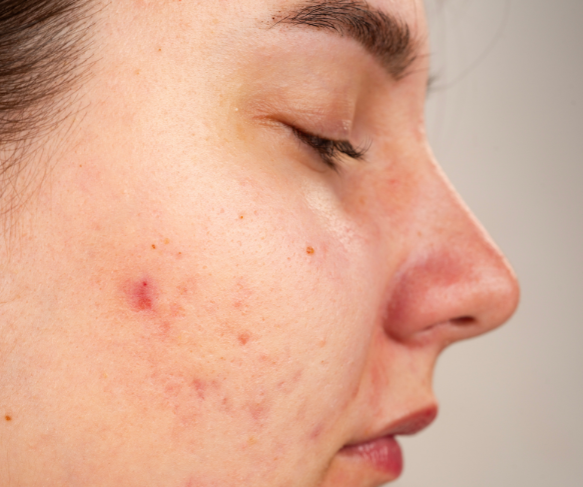
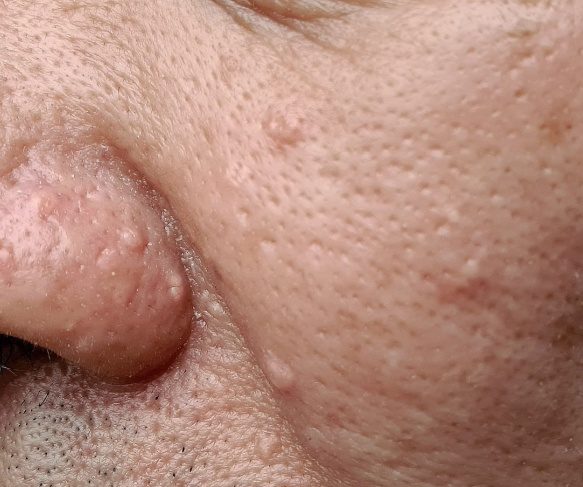
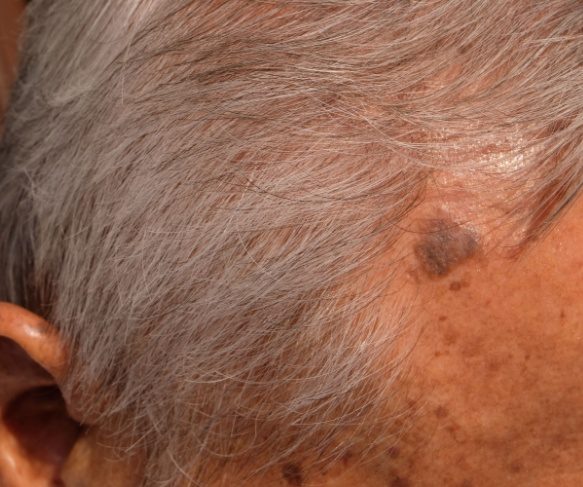

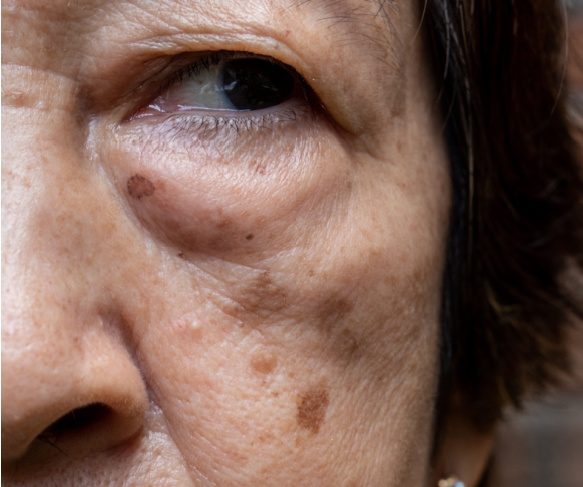
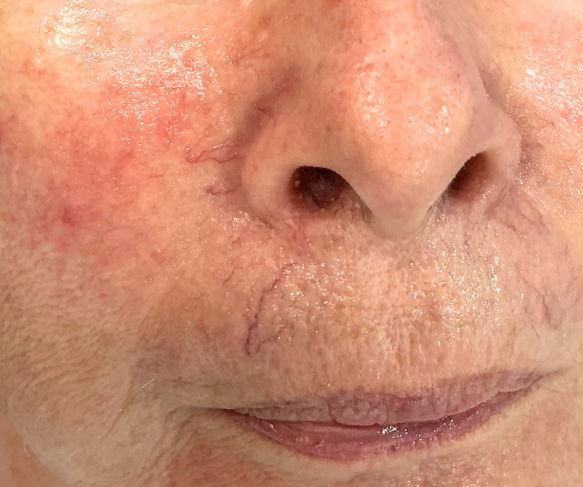

Noticing a new bump, spot, mark or change on your skin can be unsettling. With so many different types of skin lesions, it can be difficult to know what is normal. Sun spots, skin marks, bumps and growths are common skin concerns that can vary in appearance, size and colour. These may include sun spots, freckles, birthmarks, moles, acne, vascular marks, milia, skin tags, cysts and other benign skin growths. Some lesions, such as actinic keratoses or changing moles, may require closer medical assessment.
At Queensland Skin and Laser in Brisbane, our medically-led team provides assessment and treatment options for a wide range of skin spots, marks, bumps and growths. Depending on the type and location, treatment may include laser and light therapy, targeted treatments or minor lesion removal. If a spot or growth appears suspicious, we can guide you through the appropriate pathway for further assessment.
Explore our Skin Lesions Directory below, organised alphabetically for easy reference.
Noticing a new or changing skin lesion can be unsettling. While many lesions are harmless, some changes may require closer medical assessment. A professional skin check is the safest way to understand what your lesion is and whether monitoring or treatment is recommended. We offer comprehensive, bulk-billed skin checks, making it easy to have your skin lesion checked with no out-of-pocket cost. When in doubt, getting you skin checked is always the best first step.
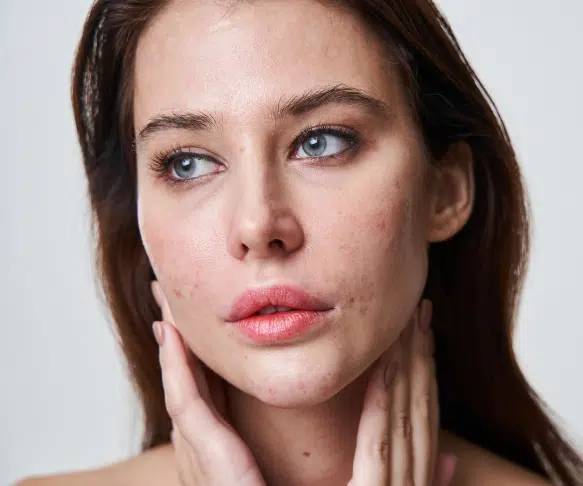
Acne lesions can appear as blackheads, whiteheads, pimples, or cysts when oil and dead skin block pores. They may cause discomfort, inflammation, or ongoing breakouts that impact confidence. At Queensland Skin and Laser, our clinicians can assess your skin and recommend evidence-based treatment options to help manage acne and support clearer, healthier skin.
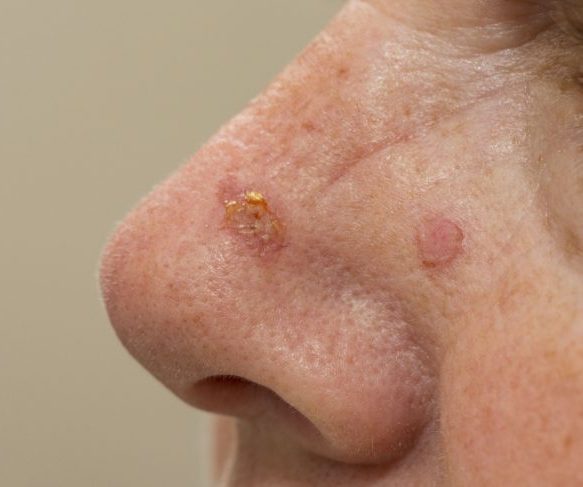
Actinic keratoses are rough, scaly patches that develop on sun-exposed skin over time. They are considered precancerous lesions, meaning they have the potential to progress if left untreated. Our medical team can perform a thorough skin check to diagnose actinic keratosis and recommend appropriate treatment to reduce risk and support healthy skin.
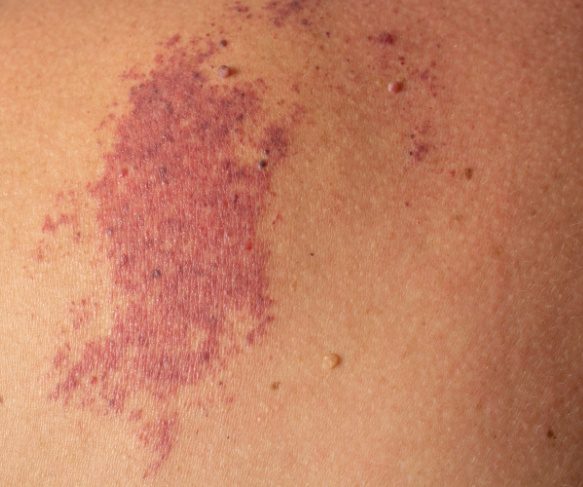
Birthmarks are common, harmless areas of pigmentation or vascular change visible from birth or early childhood. While many people choose to leave birthmarks untouched, others seek cosmetic improvement if a birthmark affects appearance or causes irritation. We can examine your birthmark and discuss safe, suitable treatment options when appropriate.
Cancerous skin lesions are areas of abnormal cell growth that can develop anywhere on the body. They may appear as a new or changing mole, lump, patch or sore and can vary in appearance. Early detection is important, as skin cancer is generally easier to treat when identified early. Learn more about common skin cancers, warning signs and treatment options.
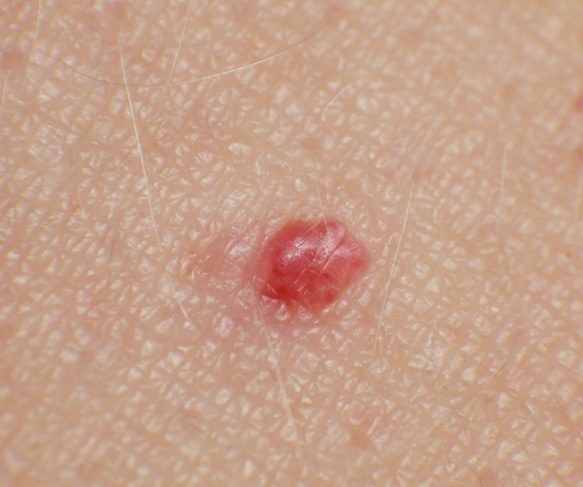
Cherry angiomas are small, bright-red vascular spots that often appear with age. They are usually benign but may become more noticeable over time. Our medical team can assess these vascular lesions and provide options to reduce their appearance if desired.
Dermatofibromas are common, harmless skin growths that often appear as small, firm bumps on the legs, arms or other areas of the body. They may be pink, brown or darker in colour and can sometimes feel itchy or tender. Learn more about dermatofibromas, how they are assessed and when treatment may be considered.
Cherry angiomas are small, bright-red vascular spots that often appear with age. They are usually benign but may become more noticeable over time. Our medical team can assess these vascular lesions and provide options to reduce their appearance if desired.
Lipomas are benign (non-cancerous), fatty growths that are generally not dangerous. However, any new lump should be assessed to confirm the diagnosis. Many patients choose lipoma removal for peace of mind.
Milia are tiny, white or yellowish cysts that form when dead skin becomes trapped beneath the surface. They are harmless, but can be persistent and difficult to remove at home. We can evaluate your skin and offer professional treatment options for safe removal.
Moles are common pigmented spots on the skin. Dysplastic naevi are moles that look slightly different to typical moles and may require closer monitoring. Queensland Skin and Laser offers thorough skin checks, and if removal or further investigation is recommended, this will be guided by medical assessment and best-practice care.
Post-inflammatory hyperpigmentation (PIH) appears as darker patches or spots that develop after skin inflammation or injury. It commonly occurs following acne, skin irritation, bites or other trauma and can be more noticeable after sun exposure. Learn more about PIH, why it develops and treatment options to help improve uneven pigmentation.
Sebaceous hyperplasia appears as small, raised bumps caused by enlarged oil glands, typically on the face. They are benign but may create uneven texture or aesthetic concern. We can assess these lesions and discuss suitable treatments to help improve skin clarity and smoothness.
Seborrheic keratoses are common, benign growths that may appear warty, raised, or waxy in texture. While harmless, they can catch on clothing, become irritated, or cause cosmetic concern. At Queensland Skin and Laser, we can evaluate these lesions and offer safe removal techniques when appropriate for comfort or appearance.
Skin tags are soft, harmless growths that often develop in areas where skin rubs together. While they don’t usually require treatment, many people choose removal for comfort or cosmetic reasons. Our clinicians can determine the most appropriate removal options for you.
Solar lentigines, also called age spots, liver spots, or sun spots, are small, darkened patches that form due to long-term UV exposure. They are non-cancerous but may resemble other pigmented lesions that need assessment. Our clinicians can examine these spots, discuss suitable treatment options for cosmetic improvement, and ensure any areas of concern are monitored or investigated further.
Telangiectasia are small, visible blood vessels that appear as fine red lines or branching vessels beneath the skin. They are commonly seen on the face, particularly around the nose and cheeks, and may be associated with sun damage, ageing or rosacea. Learn more about facial telangiectasia, what causes visible blood vessels and treatment options at Queensland Skin and Laser.
If you have any queries regarding a skin lesion, sun spot, or skin mark or growth, please complete the form below and we will get back to you shortly.
 Online Marketing For Doctors
This appointment will be with one of our registered nurses or dermal clinicians.