
 07 3544 6425
Skin Tag Removal
Safe Treatment for Skin Tags
Remove Unwanted Skin Tags with Professional Care
Do skin tags catch on clothing, jewellery, or shaving tools? Perhaps they bleed, feel irritated, or affect your confidence. Although skin tags are harmless, many people dislike their appearance or cause everyday irritation.
Fortunately, you do not need to live with skin tags. Professional skin tag removal can treat unwanted growths safely and effectively. Treatment may improve comfort while reducing irritation in high-friction areas. At Queensland Skin and Laser, our experienced team assess your lesions carefully before recommending treatment. We focus on patient education, personalised care, and providing minimal scarring outcomes.
What Are Skin Tags?
Skin tags, also called acrochordons, are small, soft, non-cancerous skin growths. They often appear flesh-coloured, although some may look darker. Most skin tags hang from the skin on a thin stalk.
Skin tags usually range from 1-5mm, however, some can grow larger over time. They commonly develop in areas where skin folds or rubs together repeatedly. Common treatment areas include the neck, eyelids, underarms, groin, thighs, under the breast, and other friction-prone regions. In some cases, multiple skin tags can appear together.


Skin tags commonly develop in areas where skin frequently rubs together or on clothing, such as the neck.
Why do Skin Tags develop?
Skin tags develop when extra skin cells form in the upper skin layers. Friction appears to play an important role. Therefore, skin tags often occur where skin repeatedly rubs against itself. Several other factors may increase the likelihood of developing skin tags:
- Increasing age
- Weight changes
- Pregnancy or hormonal changes
- Insulin resistance
- Genetics or family history of skin tags
- Skin rubbing against skin or frequent clothing friction
Although skin tags are harmless, irritation can occur. This usually happens when clothing, jewellery, or shaving repeatedly catches the lesion.
Book a consultation for discussing safe, effective treatment of Skin Tags

How Are Skin Tags Diagnosed?
Most skin tags can be diagnosed during a clinical skin assessment. Your practitioner will examine the lesion closely and review your medical history if necessary. Importantly, some growths may resemble skin tags. Warts, seborrheic keratoses, moles, and certain skin cancers can appear similar. Therefore, professional diagnosis is essential before removal.
Occasionally, further assessment or biopsy may be recommended if the lesion appears unusual. However, this is not required for most typical skin tags.
Unsure whether it is a skin tag? Arrange a professional assessment.
Benefits of Treating Skin Tags
Professional skin tag removal can improve both comfort and cosmetic appearance. Additionally, treatment may reduce irritation caused by rubbing, shaving, or jewellery. Benefits may include:
- Improved cosmetic appearance: Small visible growths become less noticeable.
- Reduced irritation: Treatment may minimise rubbing against clothing or skin.
- More comfortable shaving: Raised lesions may no longer catch during grooming.
- Lower risk of bleeding: Irritated skin tags can bleed when nicked during shaving or when caught on jewellery or clothing.
- Accurate lesion assessment: Professional evaluation helps exclude concerning skin lesions.
- Reduced risk of scarring: Medical removal techniques aim to protect surrounding skin.
Safe and Effective Treatment Options
Skin Tag Removal
Skin tag removal procedures explained
At Queensland Skin and Laser, several treatment methods may be used for skin tag removal. The most suitable option depends on the size, location, and appearance of the lesion. Your doctor will recommend the best option for your lesion.
- Surgical Removal: Careful removal using sterile instruments for precise treatment outcomes.
- Cryotherapy: Freezing treatment designed to destroy excess skin tissue gradually.
- Laser Treatment: Targeted laser energy may treat selected superficial skin lesions.
Any surgical or invasive procedure carries risk. Seek a second opinion from a qualified health practitioner.
Who is Suitable for Skin Tag Removal?
Many adults with bothersome or irritated skin tags may benefit from treatment. Suitability depends on the lesion type, treatment area, and your overall skin health.
A consultation helps determine the safest and most appropriate treatment approach. Suitable candidates include:
- Irritated or bleeding lesions
- Cosmetic appearance concerns from skin tags
- Repeated shaving irritation
- Skin tags catching clothing
- Multiple visible skin tags
- Growths requiring professional assessment
Find out which removal method may suit your skin.
What to expect during
Skin Tag Removal
Safe, Effective Treatment of Skin Tags
Consultation
Your journey begins with a detailed consultation and skin assessment. We examine the lesion carefully and discuss suitable treatment options based on your skin concerns and goals.
Treatment
Treatment is performed in the clinic using carefully selected techniques. Depending on the lesion, this may involve surgical removal, cryotherapy, or laser treatment. All treatments require minimal downtime.
Aftercare & Results
Following treatment, mild redness, tenderness, or temporary scabbing may occur. Most areas heal naturally over several days. Your practitioner will provide detailed aftercare instructions to support healing and minimise irritation.
Avoid picking treated areas during recovery. Ongoing monitoring may also be recommended if additional lesions develop.
Risks and Side Effects of Skin Tag Treatment
Most skin tag removal procedures are well tolerated, however, all treatments carry potential risks and side effects. Possible risks may include:
- Temporary redness or mild swelling
- Tenderness or discomfort
- Temporary scabbing
- Infection
- Mild scarring
- Pigmentation changes in darker skin types
- Recurrence or new lesions
Can you prevent skin tags?
Although skin tags cannot always be prevented, certain lifestyle measures may help reduce friction and irritation.
- Maintain a healthy weight to reduce skin rubbing in folds and creases.
- Wear breathable clothing to support skin comfort.
- Avoid tight jewellery or repetitive friction to minimise irritation.
- Keep skin folds clean and dry. After showering or exercise, gently dry areas such as the neck, underarms, groin, and under the breasts thoroughly.
- Maintain healthy skin hydration with gentle, fragrance-free moisturisers.
Why Choose Queensland Skin and Laser
for Skin Tag Removal?
Queensland Skin and Laser provides personalised assessment and treatment for common skin lesions, including skin tags and benign growths. Our experienced team focuses on patient comfort, educating patients, and tailored treatment planning. We understand that even small skin concerns can affect confidence and daily comfort. Therefore, we aim to provide supportive care in a professional clinical environment.

Expert-Led
Care
Led by Dr. Mark Chernoff, a seasoned physician with expertise in skin cancer detection, general and cosmetic dermatology, and advanced laser therapies, the clinic ensures high standards of care across all treatments.

Advanced
Technology
Queensland Skin and Laser integrates state-of-the-art laser systems, HIFU, RF needling, and photodynamic therapy, offering the latest in skin rejuvenation, tightening, and sun damage treatment.

Patient-Centred,
Boutique Experience
Patients experience a personalised, boutique environment where their concerns are met with unmatched professionalism and dedicated care.

Complimentary Cosmetic
Consultations
Clients receive a free consultation with the clinic’s cosmetic nurses, making expert skin advice accessible without upfront costs.

Flexible Payment
Plans
Offering weekly payment options through Zip Pay, the clinic ensures financial flexibility for both cosmetic and medical treatments.

Trusted Reputation
and Certifications
As a Fellow of the RACGP, an accreditation assessor, and an experienced dermatology professional, Dr. Chernoff and his team are recognised for their commitment to high standards, safety, and patient well-being.
Meet Dr Mark Chernoff
BSC (EXHP), MBBS (MELB), FRACGP, FACRRM, CFTP
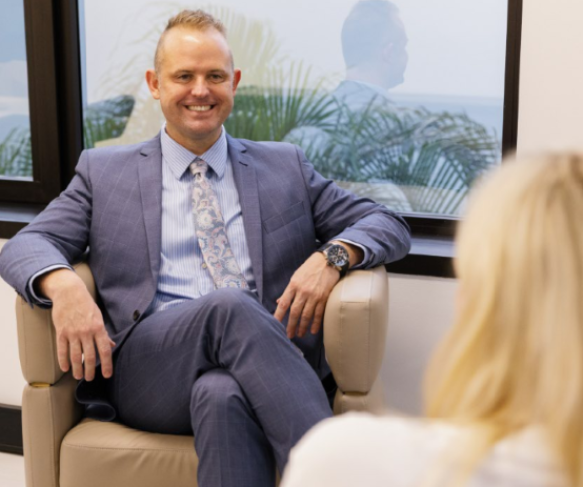
Dr Mark Chernoff is the principal doctor at Queensland Skin and Laser. He has clinical interests in skin cancer medicine and surgery, laser treatments, cosmetic mole removal, and hair restoration. With over 12 years of experience diagnosing and treating skin cancer, including the surgical removal of skin cancers, his approach is both thorough and meticulous. His early surgical training and experience in plastic surgery complement his focus on achieving the best possible clinical and cosmetic outcomes. Dr Chernoff has also undertaken extensive additional education and advanced training in hair restoration, focusing on the treatment of hair loss, hair restoration, and hair transplant surgery.
Dr Chernoff provides comprehensive skin cancer checks, cosmetic mole removal, photodynamic therapy (PDT), hair restoration, and advanced laser treatments for concerns including pigmentation, sun damage, acne scarring, vascular lesions, scar revision and skin rejuvenation. He continues to work in Emergency Medicine and is actively involved in medical education, supervising the next generation of general practitioners and rural doctors.
schedule a consult
To book an appointment, click the button above, call 07 3544 6425, or email info@qldskinandlaser.com.
Find us here:
- Level 2 – 445 Upper Edward St
Spring Hill QLD 4000
Frequently Asked Questions
Skin Tag Removal
Everything You Need to Know About Skin Tag Removal
Are skin tags cancerous?
No, skin tags are usually harmless, non-cancerous skin growths. However, some lesions may resemble skin tags while representing other skin conditions. Therefore, professional assessment is important if a lesion changes, bleeds, or appears unusual.
What causes skin tags to suddenly appear?
Skin tags may develop due to friction, ageing, hormonal changes, genetics, or insulin resistance. They commonly appear in areas where skin rubs together, such as the neck, underarms, and groin.
Can I remove a skin tag at home?
At-home skin tag removal is not recommended. Incorrect treatment may cause bleeding, infection, scarring, or incomplete removal. Additionally, some skin cancer may resemble skin tags. Professional assessment is safest. Unsure about a skin lesion? Book a professional skin check.
Do skin tags grow back after removal?
A completely removed skin tag usually does not return. However, new skin tags may develop in other areas over time, particularly in friction-prone regions.
Can skin tags be removed from eyelids?
Yes, skin tags on delicate areas such as the eyelids may be professionally assessed and treated. However, treatment suitability depends on the lesion type and exact location.
Does skin tag removal hurt?
Most procedures involve minimal discomfort. Depending on the treatment method, your practitioner may use techniques to improve comfort during the procedure.
Any surgical or invasive procedure carries risks. Before proceeding, you should seek a second opinion from an appropriately qualified health practitioner.

If you have any queries about Skin Tag Removal in Brisbane, please complete the form below and we will get back to you shortly.
 Online Marketing For Doctors