
Seborrheic keratosis: appearance, causes, treatment
Seborrheic keratosis is a common skin growth that can appear as small, waxy, or “stuck-on” spots. While harmless, they can affect how you feel about your appearance, especially as more develop over time. These growths are extremely common with age. However, you do not need to put up with discomfort, irritation, or the cosmetic impact if you would prefer them removed.
Fortunately, several safe and effective treatment options can remove seborrheic keratoses with minimal downtime. At Queensland Skin and Laser, our experienced team can assess your skin, confirm the diagnosis, and recommend suitable treatment options based on your skin and preferences. Our clinic offers doctor-led care, personalised treatment planning, and evidence-based procedures for improving your skin health and confidence.
Get professional diagnosis and treatment in one place.
What Is Seborrheic Keratosis?
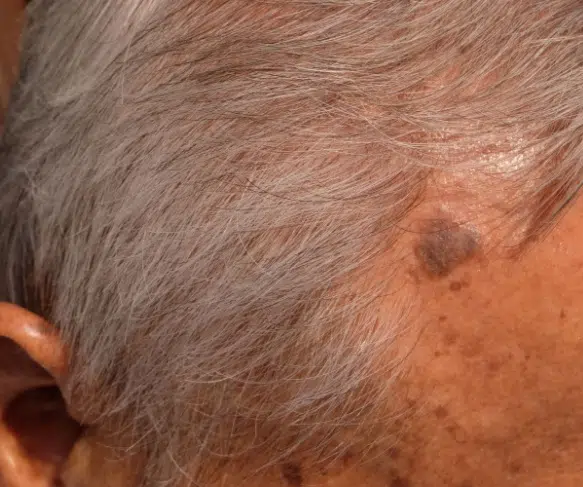
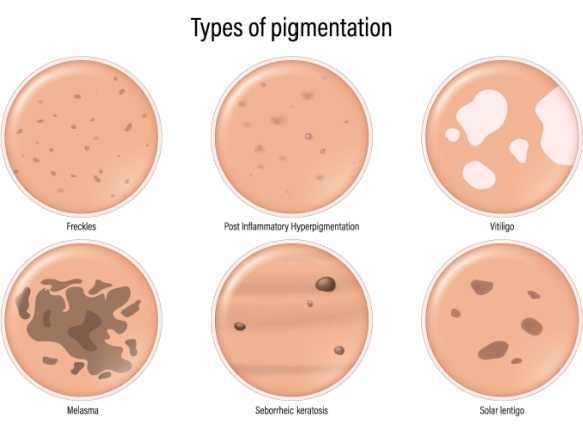
Seborrheic keratosis is a benign, non-cancerous skin growth that becomes more common as we age. If often appears as a “waxy” or “stuck-on” spot and may vary in colour from light tan to dark brown or black.
These growths are not contagious and do not increase the risk of skin cancer. However, they sometimes resemble other skin lesions, so professional assessment is recommended. You may have seborrheic keratosis if you notice any of the following characteristics:
- Flat or raised growth
- Rough, waxy, or wart-like surface
- Round or oval shape
- Size from 1mm to several cm
- Can occur singularly or in clusters
Seborrheic keratoses can appear almost anywhere except the palms and soles of feet. However, they most often develop on the face, neck, chest, back, shoulders, scalp, and under breasts or in body folds.
How Does Seborrheic Keratosis Develop?
The exact cause of seborrheic keratosis is not fully understood. However, their formation is associated with normal skin ageing and cellular changes in the outer layer of the skin.
Some factors increases likelihood of developing seborrheic keratosis. Risk factors include:
- Over 40 years of age
- Family history of seborrheic keratosis
- Fairer skin types
- Genetics
- Sun exposure
- Skin friction in body folds
- History of dermatitis or sunburn
Noticed a new or changing skin lesion? We can help you find out what it is and treat it safely.

Diagnosis of Seborrheic Keratosis
Most seborrheic keratoses can be diagnosed through visual examination. Dermoscopy may be used to confirm the features of the lesion. If there is any uncertainty, a biopsy may be recommended to exclude other conditions.
Am I A Good Candidate for Treatment?
You may be suitable for treatment if you:
- Have visible seborrheic keratoses
- Prefer cosmetic improvement
- Have irritation or rubbing
- Feel unsure about the lesion
- Want medical confirmation
Benefits of TREATMENT
Seborrheic Keratosis
Treatment is optional. However, many people chooses removal for comfort or cosmetic improvement. Treatment benefits may include:
- Smoother skin texture – removing raised growths can improve surface feel.
- Improved appearance – reduces the visual impact of darker or visible lesions.
- Relief from irritation – relieve irritation and prevent further friction or inflammation.
- Clarity and confidence – can make skin look more even and refreshed.
- Professional diagnosis – ensures safe assessment before treatment.
Treatment Options
Seborrheic Keratosis
Safe and effective skin lesion removal.
Several in-clinic treatments can remove seborrheic keratoses effectively. Your clinician will recommend the best option based on size, location, skin type, and your individual goals. Treatment options include:
- Cryotherapy – liquid nitrogen freezes the lesion, causing it to fall away naturally after healing.
- Curettage or shaving – the lesion is carefully shaved from the surface after local anaesthetic.
- Electrocautery – a controlled electrical current removes the growth, often combined with curettage.
- Ablative laser treatment – precisely removes lesions while minimising bleeding and downtime.
- TCA chemical peel – chemical solution applied to dissolve superficial lesions.
Any surgical or invasive procedure carries risks. Before proceeding, you should seek a second opinion from an appropriately qualified health practitioner.
Seborrheic Keratosis Treatment Process
Consultation & Diagnosis
Your clinician will examine the skin and confirm the diagnosis. Dermoscopy may be used for assessment. This ensures you receive the most appropriate treatment.
Treatment
We offer safe and effective procedures to reduce or remove seborrheic keratosis, with our top treatments including cryotherapy, electrocautery, or ablative laser treatment. Your clinician will recommend the best option based on your skin type and goals.
If needed, local anaesthetic may be applied to improve comfort. The chosen procedure is performed safely in-clinic.
Aftercare & Results
Mild redness or crusting can occur as the skin heals. We provide clear aftercare instructions to support healing based on the treatment method.
Any surgical or invasive procedure carries risks. Before proceeding, you should seek a second opinion from an appropriately qualified health practitioner.
POssible Risks and Side Effects of Treatment
Most treatments are well-tolerated. However, temporary side effects may occur and can include:
- Redness or irritation
- Crusting scabbing
- Temporary or permanent pigment changes
- Scarring (rare)
Any surgical or invasive procedure carries risks. Before proceeding, you should seek a second opinion from an appropriately qualified health practitioner.
COST of Seborrheic keratosis treatment
Costs vary depending on the number of lesions treated and the treatment method recommended. A personalised quote is provided after your full assessment. However, for guidance:
- Skin cancer check – bulk billed
- Laser removal – from $150
- TCA peel – from $500
Why Choose Queensland Skin AND Laser
for Seborrheic Keratosis?
Professional care for your skin, tailored to you.
Our clinic provides medically-led skin assessments and treatment programs backed by evidence-based methods. We focus on personalised care, accurate diagnosis and natural-looking results that improve confidence and skin comfort.

Expert-Led
Care
Led by Dr. Mark Chernoff, a seasoned physician with expertise in skin cancer detection, general and cosmetic dermatology, and advanced laser therapies, the clinic ensures high standards of care across all treatments.

Advanced
Technology
Queensland Skin and Laser integrates state-of-the-art laser systems, HIFU, RF needling, and photodynamic therapy, offering the latest in skin rejuvenation, tightening, and sun damage treatment.

Patient-Centred,
Boutique Experience
Patients experience a personalised, boutique environment where their concerns are met with unmatched professionalism and dedicated care.

Complimentary Cosmetic
Consultations
Clients receive a free consultation with the clinic’s cosmetic nurses, making expert skin advice accessible without upfront costs.

Flexible Payment
Plans
Offering weekly payment options through Zip Pay, the clinic ensures financial flexibility for both cosmetic and medical treatments.

Trusted Reputation
and Certifications
As a Fellow of the RACGP, an accreditation assessor, and an experienced dermatology professional, Dr. Chernoff and his team are recognised for their commitment to high standards, safety, and patient well-being.
Meet Dr Mark Chernoff
BSC (EXHP), MBBS (MELB), FRACGP, MFIN, CFTP
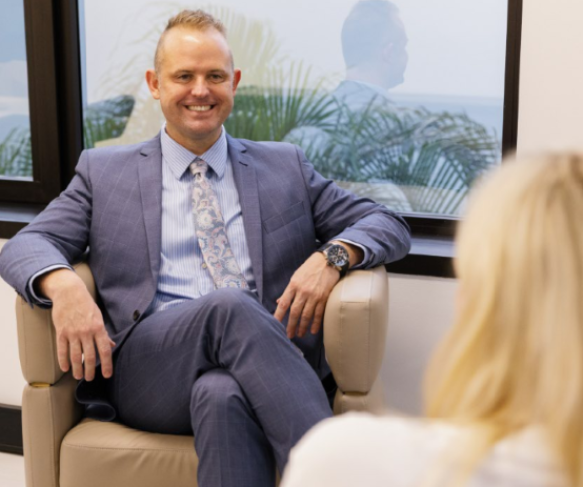
Dr Mark Chernoff earned a Bachelor of Science in Exercise and Health Physiology, followed by a Bachelor of Medicine and Bachelor of Surgery from the University of Melbourne in 2010. He began his postgraduate career at St. Vincent’s Hospital in Melbourne, specialising in general and plastic surgery.
Dr Chernoff serves as a Visiting Medical Officer in Emergency Medicine and works as a general practitioner in rural NSW. With extensive experience in skin cancer surgery, medical laser treatments and cosmetic medicine, he also contributes to medical education by supervising registrars for the Australian College of Rural and Remote Medicine and the Royal Australian College of General Practitioners.
How schedule a consultation
To book an appointment, click the button above, call 07 3544 6425, or email admin@qldskinandlaser.com.
Find us here:
- Level 2 – 445 Upper Edward St
Spring Hill QLD 4000
Frequently Asked Questions
Seborrheic Keratosis
What is seborrheic keratosis?
Seborrheic keratosis is a common, non-cancerous skin growth that often appears as a brown, black, or tan “stuck-on” spot. They are usually round or oval, and can be flat or slightly raised. While harmless, these growths may increase with age, sometimes appearing in clusters. If you’re unsure about a growth, book a skin check at Queensland Skin and Laser.
Are seborrheic keratoses cancerous?
No. Seborrheic keratoses are benign and do not turn into skin cancer. However, they can look similar to actinic keratosis or melanoma, which do require medical attention. Professional assessment is important to rule out malignancy. Book a skin check to have your skin lesions assessed.
Seborrheic keratosis vs melanoma
Seborrheic keratoses usually have a “stuck-on” texture, uniform colour, and slow growth. Melanomas are often asymmetrical, multi-coloured, rapidly changing, and may bleed. Any new, changing, or suspicious lesions should be evaluated by a healthcare professional.
Seborrheic keratosis itching or irritation
Some lesions may itch or rub against clothing, causing discomfort. Removal can relieve irritation and prevent further friction or inflammation. Discuss your treatment options with our clinicians to improve comfort and appearance.
Do seborrheic keratoses go away naturally?
No. Seborrheic keratoses generally persist and may slowly increase in number over time. Treatment is optional and usually pursed for cosmetic reasons or irritation.
Can I prevent seborrheic keratoses from forming?
While there’s no guaranteed prevention, protecting your skin from sun damage and avoiding repeated friction may help reduce new growths. Healthy skin practices support overall skin health.
Can seborrheic keratosis return after removal?
Yes. While treated lesions are removed, new seborrheic keratoses may appear elsewhere over time. Regular skin checks can help manage and monitor new growths.
Any surgical or invasive procedure carries risks. Before proceeding, you should seek a second opinion from an appropriately qualified health practitioner.

If you have additional questions about skin lesions or Seborrheic Keratosis, please complete the form below and we will get back to you shortly.
 Online Marketing For Doctors