Safe, Effective Treatment to help reduce the appearance of Keloid Scars
Understanding keloid scars is the first step in exploring
safe and effective treatment options in Brisbane.
Does your scar appear raised, thick, or extend beyond the original wound? You may be dealing with a keloid scar, a type of overgrown scar that develops when the skin produces excess collagen during healing. Keloids can appear after an injury, burn, acne, surgery, or piercing, and may cause discomfort, itching, or self-consciousness as they continue to grow over time.
At Queensland Skin and Laser, we offer a range of medically-led treatment options to reduce the appearance and discomfort of keloid scars. Treatments include steroid injections, laser therapy, cryotherapy, and microneedling, often combined to achieve optimal results. People choose treatment to improve the look and feel of their skin, relieve symptoms such as itching or tightness, and boost confidence in daily life.
What ARE KELOID SCARS?
Keloid scars are a type of overgrown scar that forms after the skin has healed from an injury, acne, piercing, or surgical procedure. Unlike regular scars, keloids protrude above the skin and often extend beyond the original wound site. Keloid scars are characterised by their thick, raised texture and can appear red, dark, or discoloured. Keloids develop due to the skin producing excess collagen, a protein essential for wound healing.
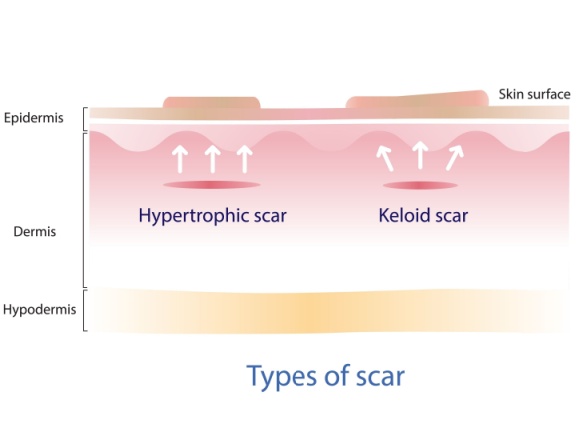
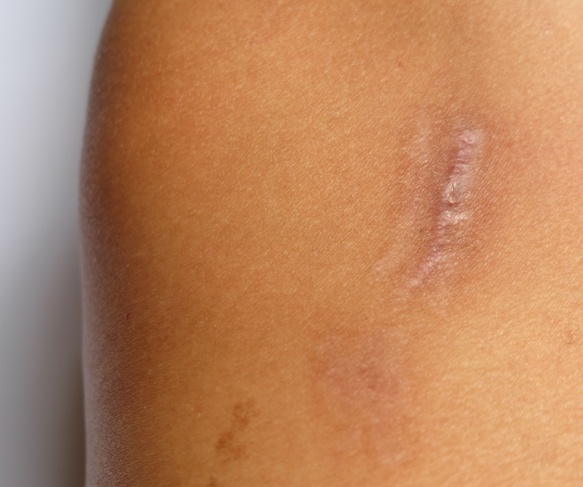
Scars can take different forms depending on how the skin heals and how collagen is produced. Keloid scar treatment aims to improve both the appearance and texture of the skin while supporting overall skin health.
What Do Keloid Scars
Look Like?
Keloid scars can appear in many shapes and sizes, but they are essentially raised, overgrown scars. They are firm, smooth, and shiny, and may be pink, red, brown, or match your natural skin tone. Keloid scars can occur anywhere on the body.
In addition to their appearance, keloids may cause itching, pain, or a tight, pulling sensation. Unlike hypertrophic scars, which are raised but remain within the boundaries of the original wound, keloids extend beyond the initial site of injury and are often more persistent. A keloid may form within months or even years after the original injury.
Common signs and symptoms include:
- Thick, irregular scarring
- Shiny, hairless, lumpy, or raised
- Varied size, depending on the injury
- Varied texture, ranging from soft to firm or rubbery
- Red, brown, or purplish coloration, depending on skin tone
- Itchiness or discomfort
What Causes KELOID SCARs?
Keloid scars develop when the skin overproduces collagen while healing after trauma. This overproduction causes the scar tissue to grow beyond the original wound. Common triggers for keloid formation include:
- Cuts and lacerations – even minor wounds can lead to keloids.
- Surgical incisions – scars from surgery may develop into keloids.
- Burns – thermal, chemical, or friction burns can result in keloid scars.
- Acne or skin conditions – severe acne or other inflammatory skin issues may cause keloid formation.
- Piercings or tattoos – the skin’s response to these procedures can occasionally trigger keloids.
- Insect bites or scratches – even small injuries may lead to an overgrowth of scar tissue in susceptible individuals.
Keloids can appear months to years after the initial injury. If you notice a scar growing beyond its original site, our team can assess the area and discuss appropriate management options.
KELOID SCAR risk factors
Certain factors can increase the likelihood of developing keloid scars. People with a family history of keloids are more prone to forming them, suggesting a genetic link. Keloids are also more common in individuals with darker skin tones.
Other risk factors include:
- Age: Keloids often develop between ages 10 and 30.
- Skin injuries: Burns, cuts, piercings, surgical incisions, or acne can trigger keloid formation.
- Previous keloids: If you have had a keloid before, you are more likely to develop another.
- Tension on the skin: Areas of the body that experience more stretching or movement, such as shoulders or chest, are more susceptible.
Being aware of these risk factors can help you take precautions and seek early advice if a keloid begins to form.
Keloid Scar Treatment Options
Keloid scars can be challenging to treat, and the best approach often depends on the size, location, and age of the scar. Our team can assess your scar and recommend suitable options. Common treatments include:
- Steroid injections – Corticosteroids can reduce inflammation, flatten the scar, and relieve discomfort or itching.
- Laser therapy – Certain lasers target scar tissue to reduce redness, thickness, and overall appearance.
- Cryotherapy – Freezing the keloid with liquid nitrogen can help shrink smaller scars.
- Surgical removal – In some cases, keloids can be excised, often combined with other treatments to reduce recurrence.
- Microneedling – Helps remodel scar tissue and improve texture.
It’s important to note that keloids have a high recurrence rate, and combining treatments often achieves the best results. Always seek advice from a qualified health practitioner before starting any treatment.
Want to Treat Your Keloid Scars? Book a Free Consultation to Find Out How We Can Help You With Safe, Effective Treatment
When to See a Doctor About Keloid Scars
You should consider seeing a qualified health practitioner if you notice a scar that continues to grow beyond the original injury site or changes in appearance over time. Seek medical advice if your keloid causes:
- Pain, tenderness, or persistent itching
- A tight or pulling sensation that restricts movement
- Rapid growth or significant changes in colour or texture
- Discomfort that affects daily activities or confidence
Early assessment allows a health practitioner to discuss safe and appropriate management options and can help prevent further growth or complications. Even if a keloid is not causing pain, professional advice is recommended for those concerned about its appearance or potential progression.
Benefits of Keloid Scar Treatment
Treating keloid scars can improve both the appearance and comfort of affected skin. Common benefits of treatment include:
- Reduced scar size and thickness – Treatments such as steroid injections, laser therapy, or cryotherapy can help flatten raised scars.
- Improved colour and texture – Scars may become less red, dark, or shiny, blending more naturally with surrounding skin.
- Relief from discomfort – Treatments can reduce itching, tenderness, or a tight sensation caused by keloids.
- Enhanced mobility – Keloids over joints or highly mobile areas may restrict movement; treatment can improve flexibility.
- Boosted confidence – Improving the appearance of keloid scars can positively impact self-esteem and body image.
It’s important to remember that keloid scars can recur, and a qualified health practitioner can advise on the most effective treatment plan for your individual case.
Keloid Scar Prevention
While it is not always possible to prevent keloid scars, certain steps can reduce the risk of formation after an injury or skin procedure:
- Careful wound management – Keep cuts, burns, or surgical wounds clean and protected to support proper healing.
- Avoid unnecessary skin trauma – Minimise piercings, tattoos, or elective surgeries in areas prone to keloid formation if you have a history of keloids.
- Early intervention – If a scar begins to appear raised or thick, consult a qualified health practitioner promptly to discuss preventive treatments, such as silicone sheets, pressure therapy, or early steroid injections.
- Follow post-procedure instructions – After surgery or dermatological procedures, follow the recommended aftercare to reduce tension or irritation on the healing skin.
Preventive measures do not guarantee that a keloid will not form, but early attention and professional guidance can reduce the size, appearance, and discomfort of potential keloid scars.
Keloid Scar Treatment Process
at Queensland Skin and Laser
Consultation, Procedure & Aftercare Keloid Scar Treatment | Brisbane
Consultation
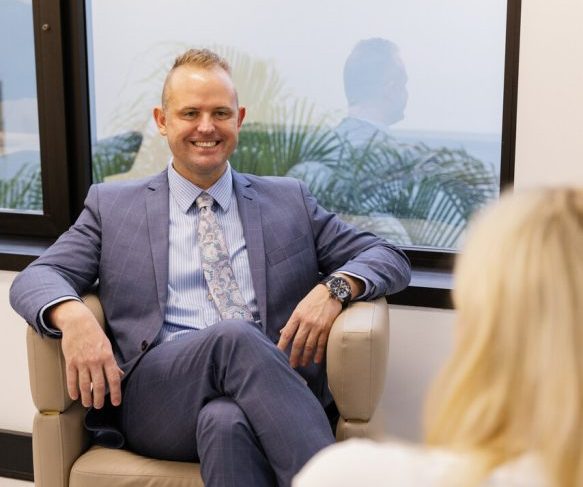
Dr Mark will examine your keloid scar, assessing its size, location, and characteristics. He will review your medical history, discuss any previous treatments, and explain the available options to create a personalised plan that suits your needs and expectations.
Treatment
The chosen treatment, whether steroid injections, laser therapy, cryotherapy, or microneedling, is carefully administered to reduce the scar’s size, texture, and discomfort. Each approach targets the keloid effectively while protecting surrounding healthy skin. Your practitioner will tailor the method and intensity to your scar’s specific characteristics.
Results
After treatment, you can expect gradual improvement in the scar’s appearance and any associated symptoms. Depending on the scar’s severity, multiple sessions may be recommended to achieve optimal results. Your practitioner will monitor progress and adjust the treatment plan as needed.
Ongoing Care & Prevention
Maintaining results involves following post-treatment instructions and taking preventive steps. This may include using topical products recommended by your clinician. Regular follow-ups allow your practitioner to monitor healing, manage any recurrence, and provide guidance to minimise the risk of future keloid formation.
We provide doctor-led keloid scar treatment in Brisbane using a comprehensive and personalised approach.
Possible risks and side effects of treatment
Keloid scar treatments are generally safe when performed by a qualified health practitioner, but like all medical procedures, they can carry potential side effects. The type and likelihood of side effects depend on the treatment method used and individual skin response.
Common side effects may include temporary redness, swelling, or tenderness at the treatment site. Steroid injections can sometimes cause thinning of the surrounding skin, lightening or darkening of the scar, or mild discomfort. Laser therapy may result in short-term redness, peeling, or sensitivity, while cryotherapy can occasionally cause blistering or skin colour changes. Surgical removal carries the usual risks associated with minor surgery, including infection, delayed healing, or scar recurrence.
Most side effects are temporary and resolve within days to weeks. Your practitioner will discuss potential risks before treatment, provide guidance to manage any side effects, and monitor your progress to ensure safe and effective results.
How Much Does Keloid Scar Treatment Cost?
The cost of treating keloid scars varies significantly depending on several factors, including the size and location of the scar, the treatment method chosen, the number of sessions required, and the complexity of the case. However, as a guide:
- Steroid Injections – from $120
- Laser Scar Reduction – from $200
- Microneedling – from $249
- RF Microneedling – from $400
At Queensland Skin and Laser, during your initial consultation we assess your scar in detail (its size, age, location, and whether it affects movement or comfort) and then provide a personalised quote based on the recommended treatment plan.
Why Choose Us
for Keloid Scar Treatment?
At Queensland Skin and Laser, we provide personalised, medically-led keloid scar treatments tailored to your skin and scar type. Our experienced practitioners use evidence-based techniques, including steroid injections, laser therapy, and cryotherapy, to improve scar appearance and comfort. We also offer ongoing care and prevention guidance to reduce the risk of recurrence and support healthy skin.

Expert-Led
Care
Led by Dr. Mark Chernoff, a seasoned physician with expertise in skin cancer detection, general and cosmetic dermatology, and advanced laser therapies, the clinic ensures high standards of care across all treatments.

Advanced
Technology
Queensland Skin and Laser integrates state-of-the-art laser systems, HIFU, RF needling, and photodynamic therapy, offering the latest in skin rejuvenation, tightening, and sun damage treatment.

Patient-Centred,
Boutique Experience
Patients experience a personalised, boutique environment where their concerns are met with unmatched professionalism and dedicated care.

Complimentary Cosmetic
Consultations
Clients receive a free consultation with the clinic’s cosmetic nurses, making expert skin advice accessible without upfront costs.

Flexible Payment
Plans
Offering weekly payment options through Zip Pay, the clinic ensures financial flexibility for both cosmetic and medical treatments.

Trusted Reputation
and Certifications
As a Fellow of the RACGP, an accreditation assessor, and an experienced dermatology professional, Dr. Chernoff and his team are recognised for their commitment to high standards, safety, and patient well-being.
Meet Dr Mark Chernoff
BSC (EXHP), MBBS (MELB), FRACGP, MFIN, CFTP
Dr Mark Chernoff earned a Bachelor of Science in Exercise and Health Physiology, followed by a Bachelor of Medicine and Bachelor of Surgery from the University of Melbourne in 2010. He began his postgraduate career at St. Vincent’s Hospital in Melbourne, specialising in general and plastic surgery.
Dr Chernoff serves as a Visiting Medical Officer in Emergency Medicine and works as a general practitioner in rural NSW. With extensive experience in skin cancer surgery, medical laser treatments and cosmetic medicine, he also contributes to medical education by supervising registrars for the Australian College of Rural and Remote Medicine and the Royal Australian College of General Practitioners.
Where to find Queensland Skin and Laser
How to schedule
a consultation
To book an appointment, click the button above, call 07 3544 6425, or email admin@qldskinandlaser.com.
Find us here:
- Level 2 – 445 Upper Edward St
Spring Hill QLD 4000
Frequently Asked Questions
Keloid Scar Treatment Brisbane
What is the most effective treatment for keloid scars?
There isn’t a single treatment that works for everyone. Effectiveness depends on the scar’s size, location, and age. Common approaches include steroid injections, laser therapy, cryotherapy, microneedling, and, in some cases, surgical removal combined with other treatments. Book a consultation and our team can recommend the best option for your individual case.
Are keloid scar treatments painful?
Most treatments cause minimal discomfort. Topical anaesthetics or local anaesthetic injections are often used to keep the procedure as comfortable as possible. Some patients report mild stinging, pressure, or warmth during treatment, which usually settles quickly.
Can keloids be completely removed?
Keloids are difficult to eliminate entirely, and there is a risk of recurrence. Treatment aims to flatten, soften, and reduce the appearance of scars, relieve discomfort, and prevent further growth. A combined approach often achieves the best results.
Can keloid treatments prevent recurrence?
While no treatment guarantees complete prevention, following post-treatment guidance and attending follow-up appointments can reduce the risk of keloid regrowth.
When should I see a practitioner about a keloid?
You should seek assessment from a qualified medical professional if your scar grows beyond the original injury, changes in colour or texture, causes pain or itch, or limits movement. Scheduling a medical consultation at Queensland Skin and Laser is the best way to identify the appropriate treatment for management. Early intervention can improve outcomes and reduce the risk of further enlargement.
Any surgical or invasive procedure carries risks. Before proceeding, you should seek a second opinion from an appropriately qualified health practitioner.

If you have any queries regarding Keloid Scar Treatment Brisbane, please complete the form below and we will get back to you shortly.
 Online Marketing For Doctors