
 07 3544 6425
A More Even-Looking Complexion Starts With Understanding Your Skin
Not sure what's causing your uneven skin tone?
Uneven skin tone can make your complexion look less uniform, even when your skin is otherwise healthy. Sun exposure, freckles, pigmentation, hyperpigmentation, inflammation and other skin changes can all affect how even your skin tone appears.
Uneven skin tone is not a single skin condition. The right approach depends on what is causing the colour variation and your individual skin characteristics. At Queensland Skin and Laser, we take the time to understand your skin before recommending appropriate treatment. Whether you are concerned about sun-related discolouration, freckles, post-inflammatory marks or a generally uneven complexion, several treatment options may help improve the appearance of your skin. Our doctor-led team combines medical expertise, advanced laser and light treatments, skin treatments and personalised care.
What is Uneven Skin Tone?
Uneven skin tone describes differences in colour across the skin, from small darker spots to broader areas of discolouration. It does not always mean hyperpigmentation. Some people develop darker areas, lighter patches, or a combination of different tones.
Common examples include freckles and sun spots, post-acne pigmentation, uneven pigmentation across the cheeks, patchy discolouration, melasma and areas of lighter skin, which can occur on the face, neck, décolletage, shoulders, hands and forearms.
The underlying cause is important when considering treatment. While some changes are cosmetic, others may require medical assessment. A new or changing pigmented lesion, for example, should not simply be treated as cosmetic pigmentation.
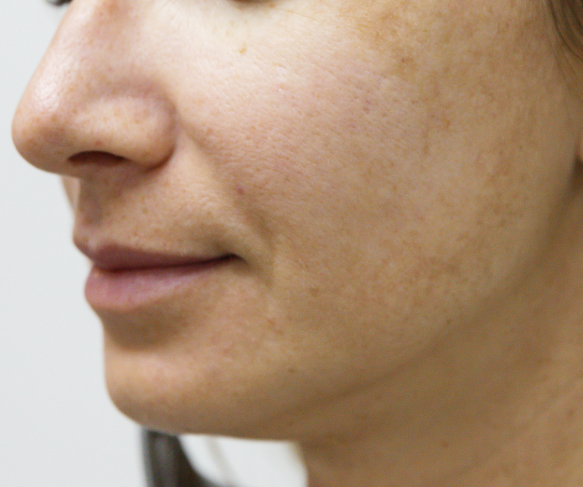
Different changes in skin colour can have different causes, so understanding what is contributing to the change is an important first step.
What Can Uneven Skin Tone Look Like?
Sun spots (solar lentigines)
Well-defined areas of darker pigmentation that develop with cumulative sun exposure.
Hyperpigmentation
Darker marks that remain after acne, irritation or skin injury.
Freckles
Small, flat areas of pigmentation that are often more noticeable after sun exposure.
Melasma
Larger, often symmetrical brown or grey-brown patches, commonly affecting the cheeks, forehead and upper lip.
General discolouration
Less defined areas where pigmentation appears uneven across the skin.
Lighter areas
Patches of skin that appear lighter than the surrounding complexion and may have a range of causes.
Because different types of pigmentation can look similar, identifying the underlying cause helps determine the most appropriate treatment.
If you’re ready to achieve a clearer complexion, contact our clinicians today
How Does Uneven Skin Tone Develop?
Your skin colour is largely determined by melanin, a pigment produced by specialised cells called melanocytes. Melanin contributes to your natural skin colour and helps protect the skin from ultraviolet (UV) radiation. Uneven skin tone develops when melanin is produced or distributed unevenly, causing some areas to appear darker or lighter than the surrounding skin.
Sun exposure is one of the most common contributors. UV radiation can stimulate melanin production and contribute to freckles, sun spots and other pigmentation changes over time.
Inflammation and hormonal changes can also affect pigmentation. Acne, irritation and skin injury may leave darker marks known as post-inflammatory hyperpigmentation, while hormonal influences can contribute to melasma.
Lighter areas can develop through different processes and are not simply the opposite of hyperpigmentation. New, changing or unexplained areas of lighter skin may require medical assessment.
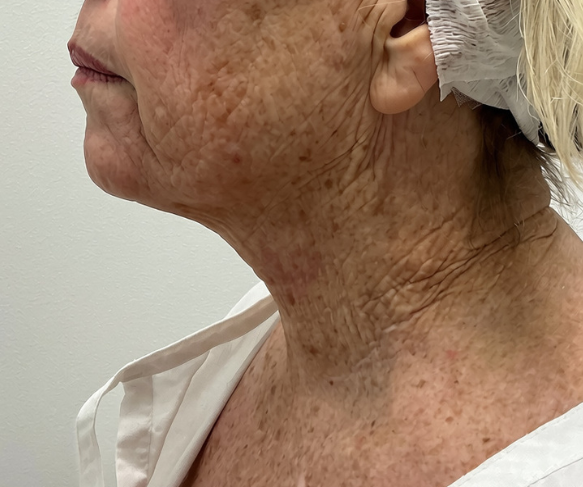
Sun exposure can gradually change how pigment is produced and distributed in the skin, contributing to freckles, sun spots and uneven skin tone over time.
Benefits of Treating Uneven Skin Tone
Treatment aims to address the specific factors contributing to an uneven-looking complexion. Depending on the cause, treatment may help improve the overall appearance of your skin. Potential benefits include:
- More even-looking skin: Treatment can help reduce visible differences in skin colour and tone.
- Reduced pigmentation: Appropriate treatments can help minimise the appearance of freckles, sun spots, and other pigmentation concerns.
- Brighter, clearer-looking skin: Some treatments can also address sun damage, dullness, and uneven skin texture.
- A more balanced complexion: A personalised treatment plan can target multiple causes of uneven skin tone.
Results vary between individuals and depend on the underlying cause, skin type and treatment selected.
Am I A Good Candidate for Uneven Skin Tone Treatment?
Treatment may be considered when uneven skin tone is affecting your appearance or confidence. However, suitability depends on your skin and the cause of the colour variation. You may be suitable if you have:
- Visible uneven skin tone
- Sun-related skin discolouration
- Freckles or sun spots
- Post-inflammatory pigmentation concerns
- Generally dull or uneven complexion
- Realistic expectations about treatment
A consultation helps determine whether treatment is appropriate for you.
Treatment Options For
Uneven Skin Tone
Understanding Uneven Skin Tone and Treatment Options
Different causes of uneven skin tone can require different approaches. Your treatment plan will depend on your skin, concerns and the type of discolouration present.
Chemical Peel: Refresh your complexion while improving the appearance of uneven skin.
Chemical peels use carefully selected solutions to exfoliate the outer layers of skin. They may improve the appearance of uneven tone, texture and some forms of superficial discolouration.
CO₂ Laser Resurfacing: Resurface the skin to improve tone, texture and visible sun damage.
CO₂ laser resurfacing removes controlled layers of skin and stimulates the healing process. It may be considered when uneven tone occurs alongside textural concerns, scarring or visible sun damage.
IPL: Target selected colour changes while refreshing the overall complexion.
Intense pulsed light uses broad-spectrum light to target selected chromophores within the skin. IPL may be considered for some forms of sun-related pigmentation and uneven complexion.
Q-Switch Laser: Target selected pigmentation with a treatment approach suited to darker skin tones.
Q-Switch laser delivers short, targeted pulses of light to selected pigment within the skin. It may be considered for some pigmentation concerns, particularly where a suitable approach is needed for darker skin tones.
Uneven Skin Tone Treatment Process
at Queensland Skin and Laser
From Consultation to Aftercare: What to Expect
Consultation
Your journey begins with a detailed consultation. We assess your skin, discuss your concerns and consider what may be contributing to the uneven appearance.
Skin Preparation
Before treatment, you may need to adjust certain skincare products or avoid excessive sun exposure. Your clinician will provide specific preparation instructions for your chosen treatment.
Procedure
Treatment may involve a chemical peel, IPL, Q-Switch laser, or CO₂ laser resurfacing, depending on your individual concerns. Sometimes, your treatment plan may involve more than one approach.
Aftercare
Your skin may appear temporarily red, sensitive or flaky after some treatments. We provide specific aftercare instructions to support healing and help protect your results. Sun protection remains important after treatment. Ongoing UV exposure can contribute to further pigmentation and other visible changes.
Follow-up
Four weeks after completing your treatment plan, we review your results, discuss your expectations and determine your next steps. Attend your follow-up and receive a complimentary Laser Facial.
Individual results from pigmentation treatments may vary. All treatments are performed by qualified clinicians, and a professional consultation is recommended to assess your skin type, pigmentation concerns, and suitability for treatment. Queensland Skin and Laser does not guarantee specific results. Always follow the aftercare instructions provided by your clinician and seek medical advice if you have any concerns.
POSSIBLE RISKS AND SIDE EFFECTS OF TREATMENT
Uneven skin tone treatments are safe when administered by qualified clinicians. Temporary side effects may include:
- Redness or mild swelling
- Flaking or peeling (especially with chemical peels)
- Temporary changes in pigmentation
- Increased sensitivity to sunlight
- Rare risk of scarring or worsening pigmentation if post-treatment care is not followed
We provide detailed aftercare instructions to minimise risk and optimise results.
COST OF Uneven Skin Tone TREATMENT IN BRISBANE
The cost of uneven skin tone treatments varies depending on the type and severity of pigmentation, the chosen therapy, and the number of sessions required. During your consultation, our clinicians will provide a personalised treatment plan and transparent cost estimate tailored to your needs. However, as a guide:
- Chemical Peel – from $149
- Cosmelan Peel – from $999
- IPL Treatment – from $150
- Q-Switch Treatment – from $350
- CO2 Laser Resurfacing – from $500
Why Choose Queensland Skin and Laser
for Uneven Skin Tone Treatment?
At Queensland Skin and Laser, we look beyond the appearance of uneven skin tone to understand what may be contributing to it. Our doctor-led team combines medical assessment with advanced skin and laser treatments to develop an approach suited to your individual skin.

Expert-Led
Care
Led by Dr. Mark Chernoff, a seasoned physician with expertise in skin cancer detection, general and cosmetic dermatology, and advanced laser therapies, the clinic ensures high standards of care across all treatments.

Advanced
Technology
Queensland Skin and Laser integrates state-of-the-art laser systems, HIFU, RF needling, and photodynamic therapy, offering the latest in skin rejuvenation, tightening, and sun damage treatment.

Patient-Centred,
Boutique Experience
Patients experience a personalised, boutique environment where their concerns are met with unmatched professionalism and dedicated care.

Complimentary Cosmetic
Consultations
Clients receive a free consultation with the clinic’s cosmetic nurses, making expert skin advice accessible without upfront costs.

Flexible Payment
Plans
Offering weekly payment options through Zip Pay, the clinic ensures financial flexibility for both cosmetic and medical treatments.

Trusted Reputation
and Certifications
As a Fellow of the RACGP, an accreditation assessor, and an experienced dermatology professional, Dr. Chernoff and his team are recognised for their commitment to high standards, safety, and patient well-being.
Meet Dr Mark Chernoff
BSC (EXHP), MBBS (MELB), FRACGP, MFIN, CFTP

Dr Mark Chernoff is the principal doctor at Queensland Skin and Laser. He has clinical interests in skin cancer medicine and surgery, laser and light-based treatments, cosmetic mole removal, and hair restoration. With over 12 years of experience diagnosing and treating skin cancer, including surgical removal of skin cancers, his early surgical training and experience in plastic surgery complement his meticulous approach to treatment, with a focus on achieving the best possible clinical and cosmetic outcomes. Dr Chernoff has also undertaken extensive additional education and advanced training in hair restoration, with a particular interest in the diagnosis and treatment of hair loss, medical hair restoration, and hair transplant surgery.
Dr Chernoff provides comprehensive skin cancer checks, cosmetic mole removal, photodynamic therapy (PDT), hair restoration, and advanced laser treatments for concerns including pigmentation, sun damage, acne scarring, vascular lesions, scar revision and skin rejuvenation. He continues to work in Emergency Medicine and is actively involved in medical education, supervising the next generation of general practitioners and rural doctors.
Finding Queensland skin and Laser
How to schedule
a consultation
To book an appointment, click the button above, call 07 3544 6425, or email info@qldskinandlaser.com.
Find us here:
- Level 2 – 445 Upper Edward St
Spring Hill QLD 4000
Frequently Asked Questions About Pigmentation Treatment Brisbane
Your Pigmentation Questions Answered
What is the most effective treatment for pigmentation?
The most effective treatment depends on the type and depth of pigmentation. IPL, chemical peels, Q-Switch laser, and Cosmelan are commonly used. Have your skin assessed at Queensland Skin and Laser during a complimentary consultation with our dermal nurses.
How many sessions will I need to treat pigmentation?
The number of sessions varies depending on the pigmentation type and severity. Some patients see improvement after one session, while others benefit from a series of treatments.
Can pigmentation return after treatment?
Pigmentation can recur, especially with sun exposure or hormonal changes. Ongoing skincare, sun protection, and follow-up treatments help maintain results.
Can pigmentation be completely removed?
Many types of pigmentation can be significantly reduced, though complete removal may not always be possible. Our clinicians aim for natural, even results tailored to your skin.
How soon will I see results from pigmentation treatment?
Results vary based on treatment type and individual skin response. Some improvement may be visible within days, while optimal results typically appear over several weeks. Our experienced dermal therapists will guide you on your journey during your complimentary consultations and follow up appointments.
Can pigmentation treatments be combined?
Yes. Combining therapies, such as IPL with chemical peels or a Redness Skin Plan, can enhance results. Your clinician will recommend the safest and most effective combination. A personalised consultation ensures the right combination for your skin and pigmentation type.
Any surgical or invasive procedure carries risks. Before proceeding, you should seek a second opinion from an appropriately qualified health practitioner.

Got a question regarding uneven skin tone treatment? Complete the form below and we will get back to you shortly.
 Online Marketing For Doctors